

Search Focused Articles
Explain a problem, cost factor or choice in one focused article. Use relevant examples or reliable sources to support the details that affect the decision.
See Our Article Approach →Choose What to Write or Improve
Start with a question customers ask about your services. Revenue Surge helps you decide whether to improve an existing page, write an article or build a resource. We research, write and edit the agreed content, drawing on over 20 years of professional marketing experience.


Research Customer Questions
Use customer questions and search research to choose topics that fit the services you offer.

Be Useful
Explain what the service includes, which options fit and what customers should check before they choose.

Support Claims With Evidence
Give readers facts, practical examples and sources they can use to check important details.
The Content Gap
If your team keeps answering the same questions, check whether existing pages explain what a customer needs to decide. That can show which page to update and which questions need a separate article.
A vague service page needs clearer service information. A genuinely separate comparison may deserve its own article. An outdated answer may need a refresh. The useful choice is the one that removes a real information gap for the customers you want.
Start with the service you want to grow. Then choose the content work that helps a suitable customer understand it.
See the Content OptionsGutter Content Planning Example
Should we write another gutter installation article?
Suppose the installation page leaves out which jobs the business takes on and what information it needs for an estimate. Start by checking what the existing page can explain.
Choose Where to Answer the Question
The service is unclear → Improve the page
Explain what the installer offers, which jobs fit and what a homeowner should share when requesting an estimate.
A distinct question remains → Plan an article
A material comparison can explain tradeoffs without turning the service page into a handbook.
The answer already exists → Review it
Correct outdated details, add useful evidence and check overlap before creating another URL.
Our Content Marketing Services
An article, a service page and a resource library solve different problems. The scope should follow the information gap, the evidence available and the page a prospective customer needs next.
Explain a problem, cost factor or choice in one focused article. Use relevant examples or reliable sources to support the details that affect the decision.
See Our Article Approach →
Help an interested visitor judge whether your service fits. Explain scope, suitability, evidence, and the practical next step.
See How We Shape Service Copy →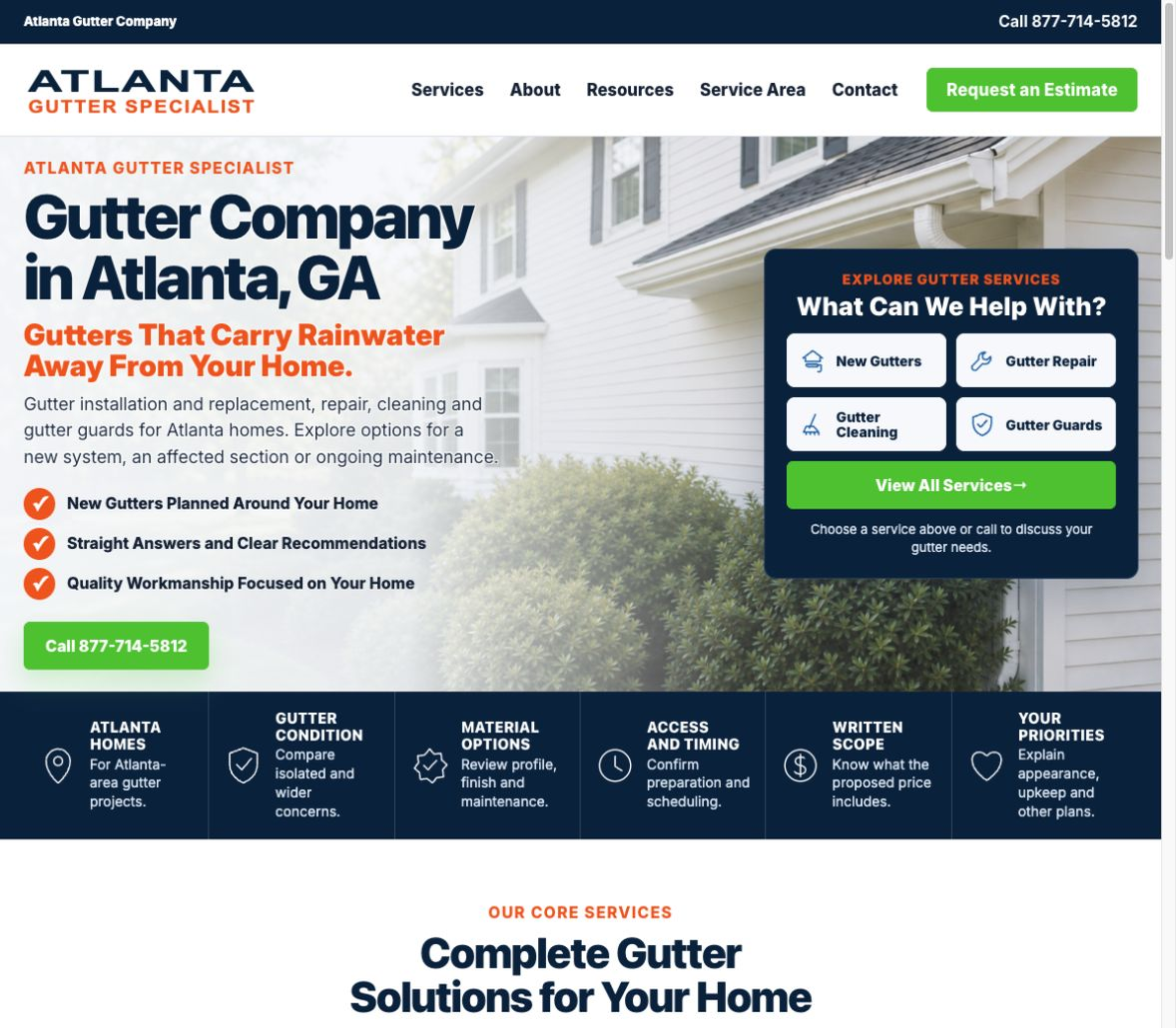
Organize answers to related questions in guides readers can use to compare options. Link the examples, explanations and service details that help them continue.
See How We Plan a Resource Library →We review relevant searches and existing pages, identify the reader’s goal, choose a distinct angle, outline the answer, and gather the examples or expert input needed to make it worthwhile.
We clarify the offer, explain suitability and process, answer practical questions, support claims with available evidence, and connect the page with useful articles and a relevant contact action.
We map related questions, give each page a clear purpose, connect useful explanations with descriptive links, and review the collection for gaps, outdated information, or unnecessary duplication.
A Connected Content Strategy
Suppose a gutter installer wants homeowners to understand their options before requesting an estimate. The plan starts with a different question for each page.
Start with the existing library. Give each page a distinct reader question and purpose. When two pages substantially repeat the same answer, review whether they need clearer roles or consolidation before adding another.
A link belongs where the next page helps the reader understand a choice. Clear labels and useful destinations connect the information without forcing everyone along one path.
Your team can explain real jobs and confirm what applies to your service. Use current specifications or other reliable sources for technical claims. Ask the person responsible for the work to check anything uncertain before publication.
What do customers still ask after reading your site? Tell us one question so we can discuss where to answer it.
Discuss Your Content Gaps
Topic Planning Example
Article Topic
Explain what an installer checks before recommending repair or replacement.
Compare the Options
Article Topic
Explain the details that change an installation quote.
Understand the Scope
Article Topic
Compare materials by upkeep, appearance and what suits the property, using verified product details.
Evaluate the Choices
Relevant Service Page
Service details, project examples, answers, and the information needed to request an estimate.
A Useful Next Step From Each Article
In this example, one article would compare repair and replacement, another would explain what changes the cost, and a third would compare materials by upkeep, appearance, budget and property conditions. If the installer can share a relevant project, use it to explain the choice and check technical claims against product specifications. The installation page would explain which jobs the company takes on and what it needs for an estimate. Link readers to related details where they help with the decision.
Selected Website Work
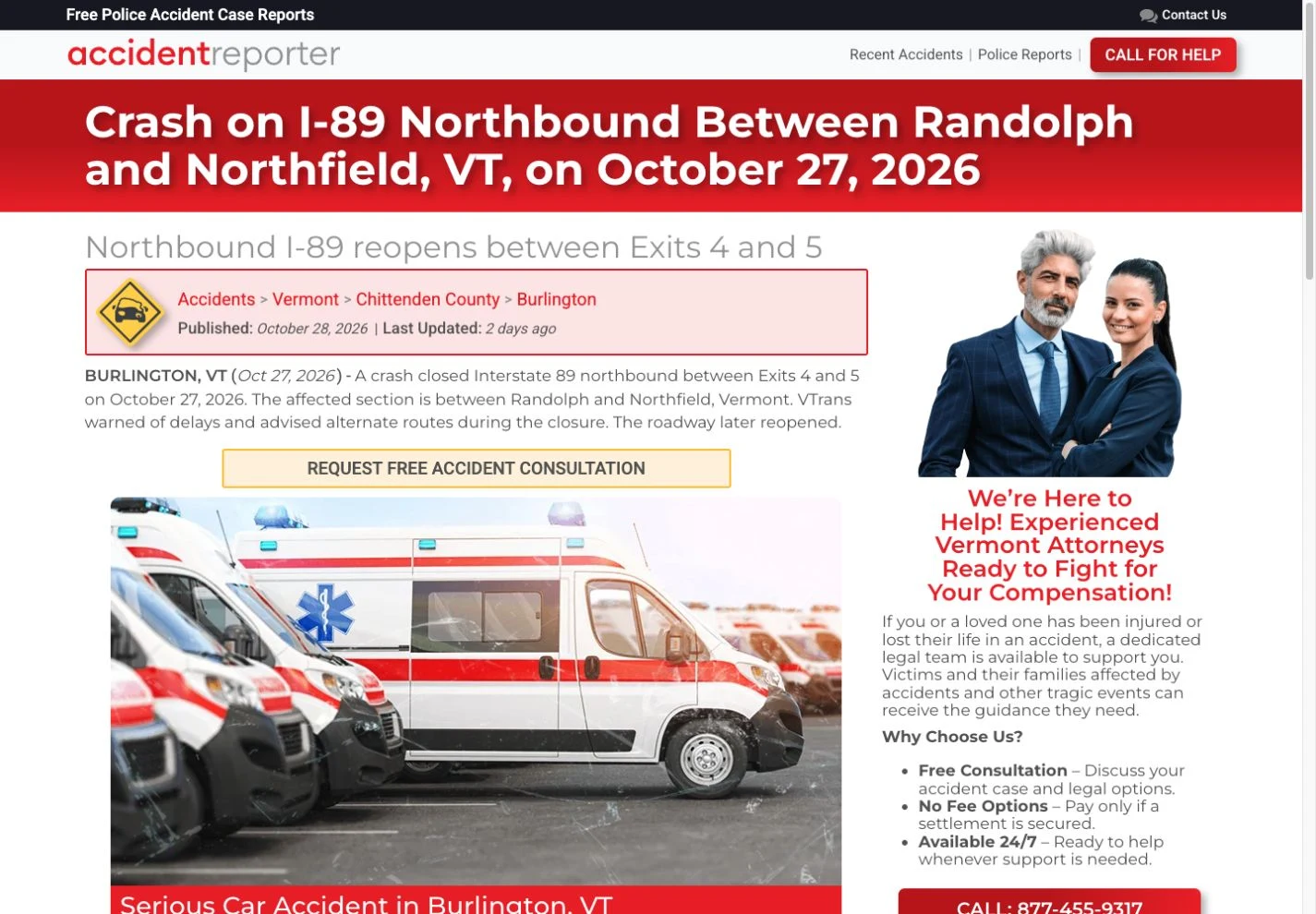
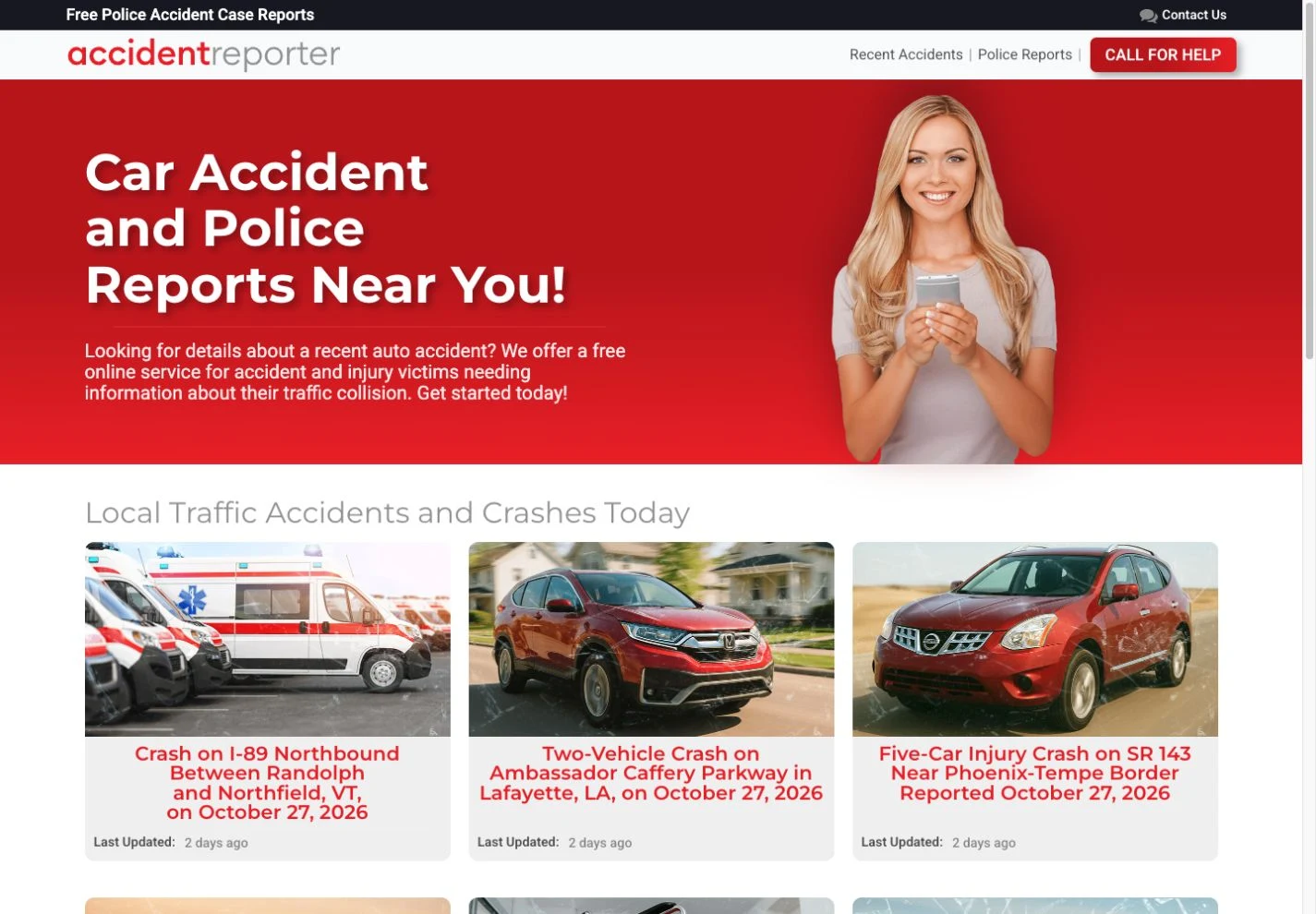
Compare a homepage that organizes crash coverage, a service site that presents gutter options and a law firm design that shows ways to learn more or request a consultation.
Content and Website Project
The homepage places Police Reports and Call for Help in the header and gives recent crash stories their own section below.
Service Business Website
The page places options for new gutters, repair, cleaning, and gutter guards beside the main service message. It also shows how to call or request an estimate.
Website Design
The design pairs its Charlotte injury and accident law headline with attorney photos. Practice Areas appears in the main navigation, and a Free Consultation button sits beneath the introduction.
The Work Behind the Content
Your team can explain which questions customers ask repeatedly, which jobs are a good fit and which project details affect a recommendation. We use the facts and examples you can confirm in the draft.
Before work begins, agree on formats and review stages, who supplies subject expertise, who checks business facts and who approves the copy. If publishing is included, confirm who needs site access and who checks the live page.
The brief records the reader’s question, what the answer should explain, which examples or sources it needs, and who checks the facts. It also notes where a link would help the reader continue.
A brief identifies the question, recommends an existing or new page, outlines the answer and lists the facts to verify.
Your input: Your priorities, service details, and recurring customer questions.
A readable draft that answers the question, explains tradeoffs and identifies any business facts still awaiting confirmation.
Your input: Feedback on accuracy, practical examples, and how your business speaks.

We prepare the approved copy, titles, headings and internal links agreed in the project. If publication is included, confirm who publishes the page and checks it live.
Your input: Approval of the content and any claims made about your business.

If review is in scope, use available search data and feedback on actual inquiries to decide whether to update the answer, improve a link or choose a different topic next.
Your input: Which questions customers still ask and which inquiries fit the services and areas you cover.
Your Content Marketing Project
A project can include research, new writing, improvements to current pages and links between related topics. The proposal specifies what we’ll deliver, who publishes it and whether review after launch is included.
Explain your offer, show your expertise, and make the next step clear.
A clear path to inquiry →Answer specific questions with original knowledge and practical examples.
Answer common questions and support relevant claims with checked sources or examples from your work.
Relevant internal links help readers move between answers, evidence, and service details.
Understand your audience, the questions they ask, and the intent behind their searches. Choose priorities that fit your services and business goals.
Articles, service copy, and resources with a defined purpose. Your knowledge, practical examples, and voice give each page something distinct to offer.

Clear titles, helpful headings, metadata, and contextual internal links help readers and search engines understand the role of each page.

Use relevant photos, diagrams or verified project examples to explain a process or support a claim. Agree who provides or prepares those materials.

When scheduling is in scope, agree on the topics, review dates and who will check facts and approve the copy before it goes live.
Review available search queries, site activity and feedback on actual inquiries separately. Use what each source shows to choose which answer, link or topic to improve.
Content Performance
Search impressions and clicks show what appeared and drew a click. Site analytics can show some visits and actions. Use contact and sales records to check which inquiries were genuine, which fit and which led to sales. Measuring what the content contributed takes separate evidence.
Content Review Framework
Hard to Find
Being Found
Strong
Answer
Strong answer · Hard to find
Clarify the page focus, title, and relevant internal links.
Strong answer · Being found
Keep the detail current and strengthen useful paths to service information.
Needs
Work
Needs work · Hard to find
Choose a distinct question. Add business knowledge or consolidate overlap.
Needs work · Being found
Address missing detail, weak evidence, or an unclear next step.
In Search Console, review the queries and pages that receive impressions or clicks. Check whether those searches relate to the services you want to support. Use site analytics separately to review visits.
Review what the page actually answers and whether readers can find the next detail they need. Recorded site activity can suggest a route to check. Open the linked page to confirm it explains the relevant service and who it fits.

Check recorded phone taps and form submissions against actual calls and messages. Set aside spam and duplicates. Ask your team which genuine inquiries match the service and area you cover, and confirm any sales separately.
Content can support a later inquiry without receiving the final click. Tracking coverage, consent, repeat visits and offline conversations limit attribution. Agree what can be measured before treating a report as evidence of return.
What Our Clients Say
Clients and partners describe how we learn about their businesses and support their website and marketing work.
Dave at Revenue Surge was vital in helping us get our new fishing charter business in Marathon, FL off the ground and ranked quickly with Google...

Bob Kozak
2 Nauti Charters
He reworked the website, enhanced the SEO, and helped me launch my second location. In less than a year my second location is ranked top three for my industry, with my primary location ranked number one...
Captain Tony Young
Forever Young
We don’t advertise online, and our business is thriving due to our online presence. They handle the website, social media, off line print materials, and everything else in between...
Connie Hollingshead
Bitter Goose Lodge
Frequently Asked Questions
Find out which content to improve, what affects cost and timing, and who checks and approves the work.
Planning Useful Content
Share one question customers ask, a page you want to improve or a service you want to focus on. We can discuss what to check first and where the answer belongs.
