Start a Conversation
Menu

Choose Where to Start With Organic SEO

Organic SEO

Start with one service or product and one question about unpaid search, the page people reach or the inquiries your team receives. We can discuss which records to check and whether the findings point to a focused repair or work across the site.

Two people looking at an open book beside material samples

Review Searches 
Check Inquiries

Relevant Search Demand

Understand the searches that fit your services and customers.

Purposeful Website Content

Check whether a page explains the service or product, who it fits and what someone can do next.

Received Inquiries and Fit

Compare recorded contact actions with requests that reached your team. Review fit and any known customer outcomes separately.

Before You Commit to More SEO

Check Search Access, Relevance and Inquiry Delivery

An important page may be missing for some searches, appearing for a different need or leaving a question unanswered. A request can also fail to reach the team. Each calls for a different check.

Check search reports for visibility, the live site for page and contact steps, and business records for real inquiries. Use what you find to decide where to work first.

Start With One Service or Product

Choose an offer your business can deliver and one concern. Review the page, the reported searches and any requests your team can confirm.

Discuss Organic SEO →

Three Areas to Investigate

Your Priority Service Page

Choose a page for one service or product and the customer need it should address.

Access and Relevance

Can Google Access the Page, and Does It Answer the Search?

When access allows, check the URL in Search Console for reported indexing and crawl details. Review the page’s purpose and useful internal links separately.

Possible Next Work

Resolve an access issue, strengthen the existing page, or plan a distinct destination.

Search Impressions, Clicks and Site Visits

Are the Searches a Useful Match?

Compare reported impressions and clicks for the same query and page groups over comparable periods. Review site visits and competing results as separate evidence.

Possible Next Work

Clarify the offer if the page leaves it unclear. If results reflect another need or demand has shifted, reconsider which queries and pages to prioritize.

Inquiries and Customer Fit

Which Inquiries Reach Your Team and Fit Your Services?

Review recorded contact actions and verify connected calls or received forms in business records. Then check genuine inquiries against your criteria.

Possible Next Work

If tracking is incomplete, check how events are recorded. If a request fails to reach the team, trace delivery. If received inquiries fall outside your scope, review the service details and the audience.

↺ Use feedback about received inquiries to choose what to check next. More than one issue may need attention.

Open a Situation to See the Evidence and Possible Next Work

An Important Service Page Is Missing From the Results We Checked

Check the Evidence

If access allows, use Search Console’s URL Inspection to check indexed status and which URL Google chose as canonical. Use the live test to check current access if needed. Review the page’s content and internal links against the intended search.

Choose the Work

An access problem may need a technical fix. An eligible but unhelpful page may need stronger content. Several causes can coexist.

Verify the Change

Confirm the intended change is live, then review the relevant search evidence over a suitable period. Eligibility alone does not guarantee appearance.

We Get Impressions, but Too Few Relevant Clicks

Check the Evidence

Group queries by service and intent. Compare positions, competing results, and result presentation for the same query and page groups over similar periods.

Choose the Work

Clarify the page title or description if it misstates the service. Google may choose different title or snippet wording. Revisit the page’s purpose if the results indicate a different need.

Avoid the Shortcut

More impressions can come from broader, less useful searches. A title rewrite is not automatically the right response.

Visits Are Up, but Inquiries Are Not

Check the Evidence

Compare reported business name searches and service searches. Check where visits came from and which pages they reached. Review the contact route, tracking and business records separately to see whether requests arrived and fit.

Choose the Work

Correct a tracking gap, strengthen a service page, or simplify its inquiry path when the evidence supports that decision.

Verify the Change

If a delivery test is in scope, confirm that the intended team received it. Separately check call and form records for genuine requests that arrived. Count repeat contacts about one request once and ask the team which requests fit.

More Inquiries Arrive, but Confirmed Customers Do Not Increase

Check the Evidence

Verify which requests arrived and exclude spam. Count repeat contacts about the same request once. Use business records to check service, area, availability, who responded and any confirmed outcome.

Choose the Work

Refocus the audience or page when inquiries are a poor fit. Address response handling or capacity when those are the constraint.

Keep the Boundary Clear

SEO cannot by itself answer missed calls, change service availability, or close a sale. Customer feedback should shape the next search priority.

Documented Client Work

Website, Content and Search Work

Revenue Surge was established in 2008. Our work draws on over 20 years of professional experience connecting websites, search, and customer acquisition.

Rosensteel Fleishman Law Firm homepage design showing attorney portraits, a consultation button and case result cards

A Longstanding Law Firm Relationship

Rosensteel Fleishman Law Firm

Our professional relationship with Rosensteel Fleishman Law Firm spans over 20 years, beginning with the firm’s first website. The work has included website design, content and SEO.

Website and SEO Implementation

Documented work includes website design and management, keyword research, technical SEO, internal linking, and organic search improvements.

Content and Ongoing Measurement

Practice area pages, legal articles, content planning, analytics, performance monitoring, and managed hosting connect the search work with the website behind it.

The homepage project section describes the work and includes feedback from the client.

Explore Website and Marketing Projects →

Review Search Fit by Service or Product

Which Searches and Pages Should You Review First?

Start with an offer your business can deliver. Compare the searches reported for relevant pages, the questions buyers ask and the competing pages that answer them.

Separate Business Name Searches From Service Discovery

A search for your business name is different from someone finding you through a service question. Review both in context instead of treating every traffic increase as new customer acquisition.

Check the Page the Searcher Needs

Look at the actual results for an important query. A practical guide, comparison, product page, and service page answer different needs. Plan the destination before choosing the wording.

Compare Relevant Groups and Periods

Review the same service, page, device, or market over comparable periods. Query mix, demand, and competing results can change the picture, even when a headline total looks encouraging.

Use Search Reports to Choose the Next Check

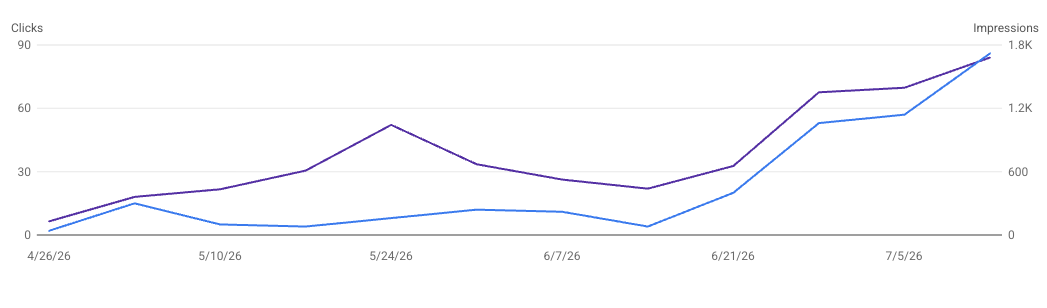
Impressions and clicks can point to queries or pages that deserve attention. Compare similar periods and check the page against the actual offer before recommending a change.

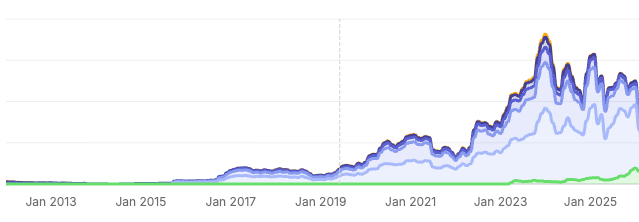
Search performance chart comparing clicks and impressions from April through July View Full Chart ↗ Multiple search visibility trend lines from 2013 through 2025 View Full Chart ↗

Search Intent

Page Coverage

Growth Priorities

From Recommendation to Implementation

Agree on Changes, Responsibilities and Live Checks

For each priority, decide what to change, what evidence supports it and whether implementation belongs in the scope. Agree who supplies access, approves the work and checks it live.

Research and Page Priorities

Review relevant searches, competing pages, and your important services. Map the work to existing pages or a genuinely distinct content need.

Content and Website Improvements

Agree which content, links, page or technical changes Revenue Surge can carry out and which need your team or developer. Name who supplies access, approves facts and publishes the changes.

Explore On Page SEO → Explore Technical SEO →

Verification and Next Decisions

Verify the agreed changes on the live site. Confirm that any agreed delivery test reached the intended team. Later, review relevant search activity and genuine inquiries in separate records for comparable periods.

Planning Example: Family Dentistry

Explain the First Visit and Show How to Request an Appointment

Suppose a family dentistry practice wants to answer common questions before people request a first visit.

Evidence
The page describes treatments. It leaves first visit questions unanswered and does not explain how a new patient can request an appointment.
Decision
Strengthen that page before creating another general oral care guide, when it already serves the intended search need.
Proposed Change
Add the practice’s approved service, location and first visit details. Show how to request an appointment and what the practice needs to respond.
Responsibilities
The practice confirms facts and approves the wording. Agree who writes and publishes the page, grants access and checks receipt of an approved test request if testing is included.
Verification
Check the live service details and appointment link. If testing is included, confirm the intended team received the agreed test. Review reported search activity and genuine appointment inquiries separately and ask the practice which requests fit its services.

Final changes and deliverables depend on the evidence and agreed scope.

A Clear Job for Every Page

When to Improve, Add or Combine Pages

A service detail, a pricing explanation, and a practical guide can support different decisions. Creating another page only helps when it answers a distinct need your website does not yet serve.

Strengthen a Useful Destination

Improve a page that already answers the right need. Add missing service detail, accurate examples, relevant evidence, or an easier next step.

Add a Distinct Answer

Create a page when customers need information that deserves its own destination. Use your expertise and real examples to make the answer worth reading.

Resolve Confusing Overlap

If several pages serve the same need, decide whether to distinguish their roles or consolidate carefully. Sharing a keyword alone is not a reason to remove a useful page.

Two people arranging printed page layouts on a corkboard

Improve a Page, Add an Answer or Review Overlap

The useful question is what the customer is missing. Improve, add, or consolidate according to the page’s role and the evidence.

Improve
The right page exists, but the explanation or next step is weak.
Add
A distinct service or customer question has no useful destination.
Consolidate
Review pages that answer the same customer question. If they repeat the same information, check which details and links should carry forward before combining them.

Relevant References and Discovery

What Makes an Outside Reference Useful?

A link can introduce people to a useful resource or an important service. Reviewing where it comes from, why it exists, and where it leads is more useful than judging progress by a domain total.

Review the Source and Destination

Look at the sites referencing your business and the pages they point to. A relevant reference to an outdated or broken destination may deserve attention before another outreach campaign.

Create a Resource Worth Finding

Use accurate expertise, an approved project example or a practical explanation that helps the publisher’s readers. The publisher decides whether to reference it.

Evaluate the Practice Behind the Link

Review the source, its audience and the reason the link appears. Use scores and totals for research. Google recommends the sponsored attribute for paid links and also accepts nofollow.

Review New and Lost Referring Domains

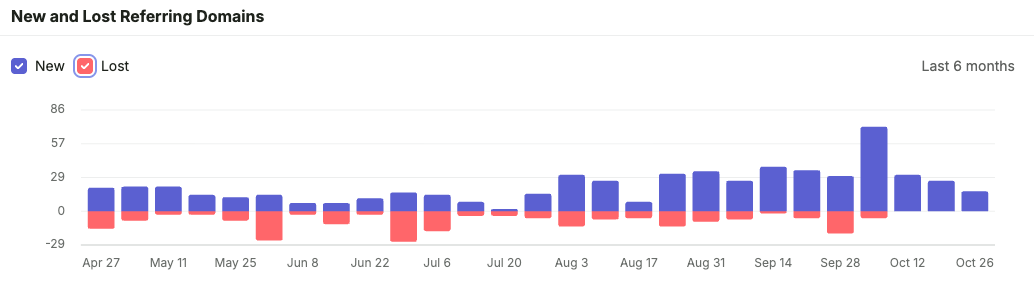
New and lost referring domains can point to changes worth investigating. The total does not reveal the relevance of each source or whether it brings suitable customers.

Bar chart comparing new and lost referring domains over six months View Full Chart ↗

Decide Whether to Update a Reference, Repair a Page or Improve a Resource

Investigate a valuable lost reference, repair a broken destination, or improve a resource people already use. Choose the next action from the source, the page, and its business role.

How to Evaluate Progress

Check Published Work, Search Activity and Customer Response

  1. Work Completed

    Verify what changed: the page, internal links, content, technical setting, or inquiry path. An item on a report should connect to an agreed action and a live check.

  2. Search Response

    Compare reported impressions and clicks for the same queries and pages over similar periods once relevant data is available. Consider changes in demand, competition and search.

  3. Customer Response

    Use business records to verify which genuine inquiries reached the team and which met its criteria. Where records support a match, check which led to confirmed customers or bookings.

Measurement That Informs the Next Decision

Compare Search, Website and Business Records

Search clicks, website sessions and recorded contact actions show activity at different points. Use business records to distinguish genuine received inquiries, fit and confirmed customers.

Why Search Clicks and Website Visits Can Differ

Search Console and website analytics record different parts of the journey. Compare relevant page groups and periods, and investigate tracking changes before interpreting a gap as lost business.

Separate Tracked Actions, Received Inquiries and Fit

Tracking can record a call tap or form event. Use authorized records to check which calls connected and which requests arrived. Exclude spam and count repeat contacts about a request once before checking fit.

A Reported Sale Still Needs Context

Use business records to match genuine requests to confirmed sales for comparable groups and dates, with an agreed cutoff. Attribution assigns reporting credit. Estimating the effect of an SEO change requires separate evidence.

Compare Organic Search With Other Traffic Sources

Compare sessions by source for the same pages over similar periods. Check what changed on the website and review received inquiries and customer outcomes separately. Connect the records only when the details support a match.

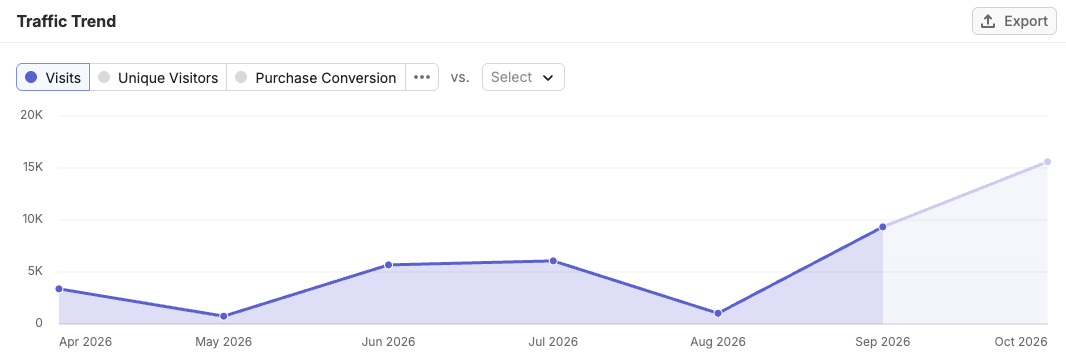
Monthly website sessions grouped by Organic Search, Direct, Referral and other channels View Full Chart ↗ Visits chart showing monthly traffic from April through October 2026 View Full Chart ↗

Choosing Your Next Investment

Is Organic SEO the Right Priority Now?

Start with one service or product and a question about search visibility, the pages people visit or the requests the business receives.

When the Case for SEO Is Stronger

Available reports or search results suggest people look for an offer you can deliver, and your important pages leave relevant questions unanswered. Your team can confirm the facts and support agreed changes.

An established site may have useful pages and demand worth building on. For a new site, agree the baseline and initial page priorities before judging progress.

When Another Constraint Comes First

Repair a confirmed contact problem before sending more visitors to that route. If requests arrive but the team cannot serve them, check service fit or capacity. If the main need is immediate visibility, discuss channels and timing separately.

Agree on the work, cost, access and implementation owners. Decide who will verify changes and how the business will confirm which received inquiries fit.

Discuss Organic SEO →

Client Perspectives

What Our Clients Say

Client perspectives on our website, search, and marketing work.

Dave and his team never cease to amaze us with completion of every item on a Scope of Work as well as offering many additional services with fair pricing...

Lori Zeller

THOR Associates

Great experience working with Revenue Surge to not only build a website for my firm's real estate business but also consulting on effective logo design and SEO. Would absolutely recommend Dave and fully trust his expertise...

Shae Herman

Dave at Revenue Surge was vital in helping us get our new fishing charter business in Marathon, FL off the ground and ranked quickly with Google...

Bob Kozak

2 Nauti Charters

Scope, Expectations, and Getting Started

Questions to Ask Before Investing in Organic SEO

Practical answers about cost, implementation, timing, measurement, and deciding whether the work fits your business.

What Do Organic SEO Services Include?
Organic SEO improves how a website serves relevant unpaid searches. It can include research, content, internal links, technical repairs and measurement. The first review helps decide whether a specific repair is enough or a wider project is useful. We agree on what is included before work begins.
What Affects the Cost of Organic SEO?
Site size and condition, priority services and markets, content needs, competition, and implementation requirements all affect scope. Discuss which changes are included, who carries them out, and how you will assess the work. Scope and cost need to be agreed before the work begins.
Will You Make Website Changes or Only Recommend Them?
Our documented client work includes website implementation, content, and SEO. For your project, the agreed scope should distinguish the changes we will carry out from work requiring your team or developer. It should also identify access, approvals, and who verifies that the changes are live.
Should We Improve Existing Pages or Create New Ones?
Improve a useful page when it can satisfy the customer’s need. Add a page when there is a distinct service, product, or question that needs its own destination. When pages overlap, review their actual roles before choosing whether to differentiate or consolidate them. A larger page count is not a success measure on its own.
How Long Does Organic SEO Take?
Agree on a schedule for the work based on the pages, access, approvals and included changes. Verify the work after release. Later search assessment depends on recrawling and available comparable records. Use business records separately for inquiries and customer outcomes.
What if Traffic Increases but Inquiries Do Not?
Check which sources and pages account for the increase. If testing is in scope, confirm that an agreed test call or form reaches the intended team. Use receiving records to check which genuine requests arrived and service criteria to assess fit. Those checks help you choose between tracking, delivery and content work.
How Is Organic SEO Different From Local SEO?
Organic SEO addresses how your website serves relevant unpaid searches. Local SEO also addresses discovery in a local market, Google Maps, and your Business Profile. A business serving nearby customers may need both, coordinated around the same real services and locations. Explore Local SEO →
Is Organic SEO or Paid Search the Better Starting Point?
The choice depends on demand, urgency, competition, the website, and your budget. Paid search buys advertising visibility while a campaign runs; organic SEO works on your website’s unpaid search presence. Neither removes the need for a credible offer and a useful inquiry path. Paid advertising does not purchase higher organic rankings.
What Will You Need From Our Team?
One service or product and one concern are enough to start. Share a page link or example if it helps. Once work is agreed, identify who can approve facts and grant named access to the website, search and analytics records needed for the scope.
Can You Guarantee Rankings or Revenue?
No. Search engines, competing sites, demand, your offer, and the customer’s decision all affect outcomes. The useful commitment is an understandable scope, agreed work, and a way to review what changed. Historical project outcomes and client testimonials describe those experiences, not a guaranteed result for your business.
Does Organic SEO Still Matter for AI Search?
For AI Overviews and AI Mode in Google Search, Google says the usual SEO fundamentals apply. A page needs to be indexed and eligible to appear with a snippet to qualify as a supporting link. No special markup is required, and eligibility does not guarantee inclusion. Explore AI SEO →
How Will We Know What Changed and What to Do Next?
Verify what went live and when. Review search impressions and clicks, recorded website actions, genuine received inquiries, fit and any confirmed customer outcomes as separate measures. Compare relevant pages and periods and note tracking or business changes. Connect the records only where the evidence supports a match.

Organic Search Planning

Start With One Service or Product and One Concern

Tell us what you want to improve. Share a page link or short example if it helps. We can discuss whether to start with search visibility, the page or how requests reach your team.